First Zika victim detected in Bangladesh
Online Desk
22 Mar 2016 04:22 AM । Update: 22 Mar 2016 08:12 AM
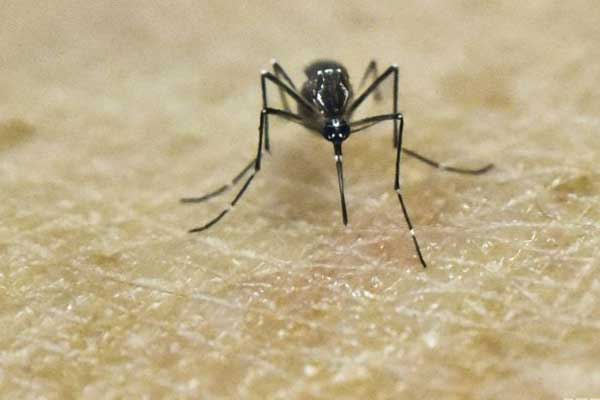
Symbolic photo
The first case of Zika virus was detected in Bangladesh last week, said State Minister for Heath and Family Welfare Zahid Malek on Tuesday.
While talking to reporters after a presentation from the Health Ministry at the Secretariat, he said the blood sample of a 67-year-old man from Chittagong was found infected with the virus, but he is now safe and sound, reports the UNB.
The junior minister added that this was detected from over 1000 blood samples, collected from four medical institutions-- Dhaka Medical College Hospital, Chittagong Adhunik Medical College Hospital, Khulna Medical College Hospital and Chittagong Medical College Hospital.
The samples of August 2014 were collected for identifying illness and fever-related symptoms, and so the existence of Zika virus was found only recently.
Asked why it was not detected earlier, Zahid Malek said the lack of medical test kits and the non-existence of Zika virus at that time resulted in the delay.
Besides, the samples were collected for understanding dengue and other fever-related symptoms.
According to him, it had been possible to detect the virus as per the World Health Organisation (WHO) guidelines, which were formed in light of the outbreak of Zika virus.
The state minister also urged everyone through the media not to get panicked, as the Bangladeshi government is fully prepared and equipped to tackle any outbreak of Zika virus, as they have WHO-set guidelines.
Earlier this year, Health Minister Mohammad Nasim had stated that there is ‘no threat of Zika virus infection in the country’.
All the hospitals have been alerted to be on the lookout for any further Zika detection, the symptoms of which includes mild form of dengue fever and microcephaly for pregnant women, who then give birth to babies with smaller than normal heads.
He urged all pregnant women to steer clear of Aedes mosquitos by removing areas containing stagnant water, including flower vases and buckets.
Surveillance teams have been set up allover the country to make sure that no dengue outbreak occurs this year.
Malek also added that unlike last year when 2500-3000 patients were dengue-infected, resulting in nine deaths, no dengue-infected patient will die this year, thanks to better preparedness and equipment.

