Tariff Commission proposes size-based pricing for hilsa to curb high costs
Samakal Correspondent
28 Sep 2025 19:20 PM
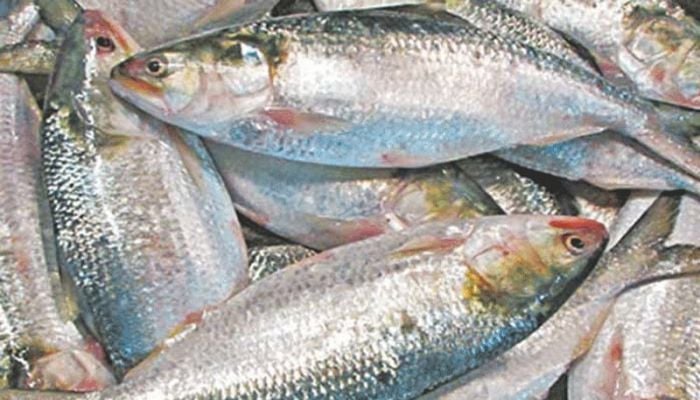
Hilsa prices have soared this season, prompting the Bangladesh Trade and Tariff Commission (BTTC) to propose measures to stabilise the market.
The commission has recommended setting maximum retail prices based on the size of hilsa fish to address the abnormal price surges.
On Sunday, the BTTC released a detailed report on hilsa pricing, highlighting the market's volatility.
The report noted that in September, hilsa prices in the local market ranged from Tk900 to Tk2,200 per kg.
In contrast, hilsa exported to India averaged Tk1,534 per kg, with over 97 tonnes shipped this month.
The commission pointed out that traders are earning excessive profits in the local market compared to the production cost, as exports at lower prices still yield profits.
The BTTC identified 11 factors driving the price hike, including supply-demand imbalances, hoarding, syndicates, rising fuel and transportation costs, higher fishing expenses, river navigability issues, environmental challenges, illegal nets, poaching, alternative employment, fishing during banned periods, middlemen exploitation, and export pressures.
The report detailed price trends over recent months: in June, hilsa prices ranged from Tk600 to Tk2,200 per kg; in July, Tk900 to Tk2,000; in August, Tk800 to Tk2,000 due to increased supply; and in September, back to Tk900 to Tk2,200. Over the past five years, local market prices have surged by 57 percent, with export prices also rising over the last four years.
BTTC Chairman Mainul Khan, speaking to Daily Samakal, emphasised that despite hilsa being a nearly 100 percent domestic product, artificial factors inflate its market price.
He noted that international trade or currency fluctuations have little impact on hilsa harvesting.
The survey pinpointed excessive profits by middlemen, particularly Dadan traders, as a key issue. To address this, the BTTC recommends reducing middlemen layers, monitoring Dadan traders, and setting size-based maximum prices to ensure fair profits for marginal sellers and affordable prices for consumers.
The commission believes this approach, already applied to eggs, chicken, and edible oil, will stabilise the hilsa market and provide relief to consumers.

