Normal lifespan of Rooppur is 60 years
Samakal Correspondent
28 Apr 2026 15:45 PM । Update: 28 Apr 2026 16:28 PM
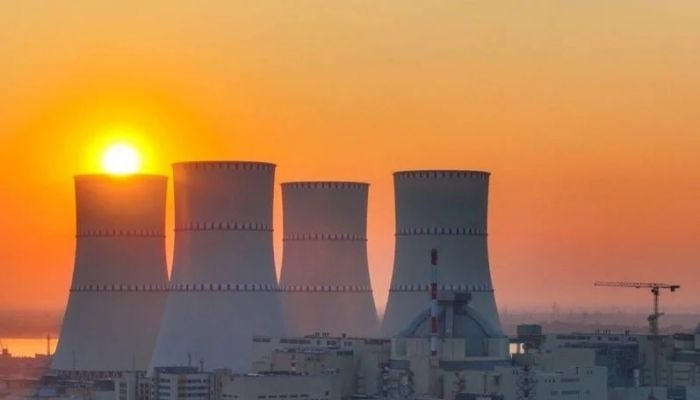
The fuel loading process at the Rooppur Nuclear Power Plant in Ishwardi, Pabna, is set to begin officially on Tuesday.
This marks a significant milestone for Bangladesh’s power sector and promises a reliable supply of electricity for the country.
According to those involved in the project, the Rooppur Nuclear Power Plant is far more than just a power generation facility; it represents a powerful symbol of the nation’s technological advancement, energy security, and commitment to sustainable development.
When asked how long electricity will be available from this plant, project stakeholders explained that the normal operational life of the facility is 60 years, during which uninterrupted power is expected to be generated.
However, with necessary repairs and proper maintenance, the lifespan of the plant can potentially be extended by an additional 30 years.
Once the fuel loading is complete, the reactor will operate continuously for one and a half years without interruption.
Unlike conventional power plants, there will be no need for frequent purchases of oil, gas or coal. After every eighteen months, approximately one-third of the fuel will need to be replaced.
Russia has provided substantial financial, technical and technological support for the construction of the Rooppur Nuclear Power Plant, which is the single largest project in Bangladesh by investment value.
The project is being built at a cost of approximately 114 thousand crore taka, with Russia financing 90 percent of the required loan. This loan is scheduled to be repaid over a period of 28 years.
The third-generation reactor technology employed at Rooppur has been designed with advanced automatic safety systems that are capable of functioning even in unforeseen circumstances.
Experts emphasise that strict adherence to the safety standards set by the International Atomic Energy Agency (IAEA) is essential in the construction and operation of all nuclear facilities.
According to Dr Pritam Kumar Das, Professor at Pabna University of Science and Technology, compliance with international standards in nuclear power plants is not optional but mandatory. The protocols of the IAEA are exceptionally rigorous, and even the slightest deviation could halt the entire project and delay the commissioning of the plant. The future of this long-term national project in Rooppur therefore depends heavily on maintaining a policy of zero error.
Dr Pritam also highlighted Russia’s fast neutron technology and discussed the possibility of reusing spent fuel or nuclear waste from the Rooppur plant.
He expressed confidence that in the future it may be possible to generate energy once again from the by-products or waste of used uranium – a process that countries such as India and Russia are already successfully testing. The overall cost of electricity generation from the plant would be reduced even further.
Although nuclear energy remains a subject of debate worldwide, it is increasingly regarded as a clean energy source in the modern context. With near-zero carbon emissions, it can play a vital role in the global effort to combat climate change.
The Rooppur Nuclear Power Plant is expected to prevent approximately 20 million tonnes of carbon dioxide emissions per year compared with coal-based power plants, and around eight million tonnes compared with gas-fired plants.

