Fitch affirms Bangladesh at 'BB-'; Outlook stable
Online Desk
21 Apr 2016 08:34 AM
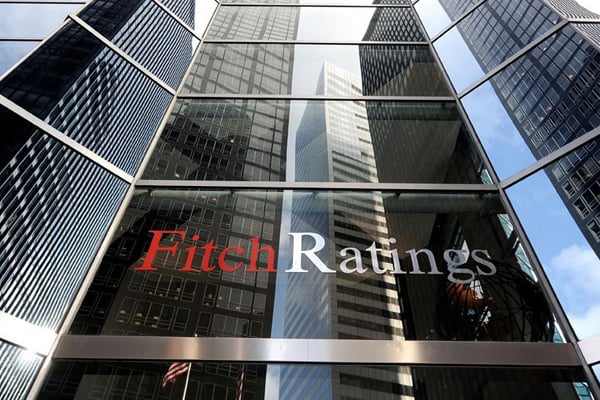
Photo- Collected
Fitch Ratings has affirmed Bangladesh's Long-Term Foreign- and Local-Currency Issuer Default Ratings at 'BB-,' reports Reuters.
The Outlooks on the Long-Term IDRs are Stable. The Country Ceiling is affirmed at 'BB-' and the Short-Term Foreign-Currency IDR at 'B'.
Strong and relatively stable foreign-currency revenue from remittances and garments exports, two main pillars of Bangladesh's economy, support the external balances and overall credit profile.
Bangladeshi exports have only been moderately affected by the current global trade slowdown: exports grew 5.9% over the year to January 2016, compared with 9.0% a year earlier. Remittances also remained strong at $15bn on an annual basis in February 2016, dwarfing the roughly $3bn annual inflow of foreign project-based aid. At the same time, weak global conditions imply downside risks to foreign demand for exports and Bangladeshi workers abroad.
Inflows, combined with Bangladesh Bank's foreign-exchange interventions aimed at keeping the taka relatively stable against the US dollar, have led to a build-up of foreign reserves to a record-high of USD28.3bn in March 2016. The authorities' macroeconomic track record was strengthened by Bangladesh's successful completion in October 2015 of its Extended Credit Facility arrangement with the IMF.
Real GDP growth remained relatively strong and stable over the past years, even during times of political turmoil and natural disasters. Bangladesh's five-year average real GDP growth of 6.3% is high relative to the 'BB' category median of 4.0%. Fitch expects growth to reach 6.7% in the financial year to 30 June 2016 (FY16) and 6.8% in FY17, slightly below the authorities' forecasts of 7.1% and 7.2% respectively.

