Who are the main defaulters in paying electricity bills
Online Desk
13 May 2016 00:04 AM
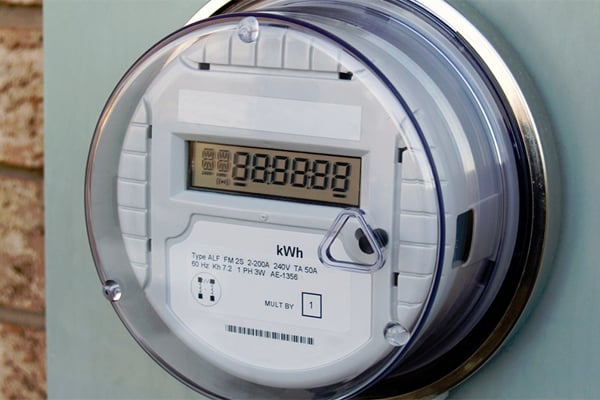
Symbolic photo
Despite repeated directives by Power Division, there is hardly any progress in realizing the unpaid bills of different power distribution entities from their customers, particularly those in the public sector, reports the UNB.
The unrealized bills of different power distribution entities with the public, semi-government and private organisations and individuals stood at about Tk 4750 crore until January 2016.
No one of the 5 power distribution entities— PDB, REB, DPDC, DESCO and WZPDC— have been successful in achieving their targets in realizing the bills from their customers.
According to an official documents obtained by UNB, the Power Development Board (PDB) is on top in its failure to realize its outstanding bills from its consumers both in the public and the private sectors.
The document, prepared by the Power Cell, a technical wing of the Power Division, showed that PDB had failed to realize Tk 1612.24 crore in outstanding bills from its customers against its sales of electricity until January 2016.
PDB is followed by Rural Electrification Board (REB) with which pending bills now stands at Tk 1559.25 crore.
Dhaka Power Distribution Company (DPDC), which operates distribution networks in the capital’s central and southern part, had unrealized bills worth Tk 881.90 crore with its customers.
The unrealized bills of Dhaka Electricity Supply Company Ltd (DESCO), which operates in the capital’s western and northern parts, now stand at Tk 420.98 crore.
The West Zone Power Distribution Company Ltd (WZPDC), a relatively new power distribution entity created by the government for the south-western region, including Khulna division, had also been lagging behind in realizing its pending bills from customers.
The document revealed that the WZPDC’s unrealized bills with customers were Tk 315.69 crore.
Director General of Power Cell Mohammad Hossain said the overall pending bills of different agencies with their private and individual customers are decreasing, but the progress is slow regarding the public sector customers.
He said different public administrative offices and bodies like city corporations, hospitals, schools, colleges and universities are among the main defaulters in paying their bills.
“Actually, pending bills with private customers now stand below 2-month equivalent. But public bills are about 7-8 months’ equivalent which creates a major bottleneck in improving the situation,” he told.
He informed that if the public offices refuse to pay bills in due time, there is no effective mechanism to force them to pay.
“But recently we’re actively thinking of creating a mechanism at the inter-ministry level so that the electricity bills are realized in due times,” he added.

