Empowering women
Banks pave way for economic development in Bangladesh
Md Naimur Rashid
06 Feb 2024 13:48 PM
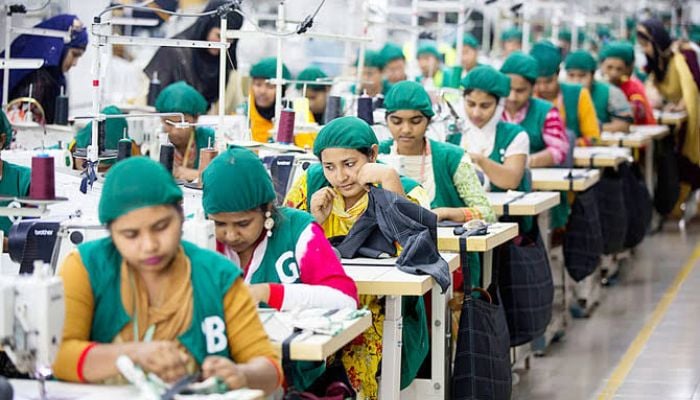
Bangladesh has made notable strides in gender equality
In the bustling landscape of Bangladesh, banks are emerging
as key players in fostering women's economic development. Over the past decade,
financial institutions in the country have been actively promoting financial
inclusion, empowering women to contribute significantly to the nation's
economic growth.
Bangladesh has made notable strides in gender equality, with
women increasingly participating in various sectors. The pivotal role of banks
in this journey is evident through their initiatives aimed at providing
financial services tailored to the needs of women entrepreneurs and workers.
One significant aspect of this effort is the provision of microfinance
services.
Many banks have introduced specialized microcredit programs,
enabling women in rural areas to start and expand small businesses. These
initiatives not only alleviate poverty but also empower women to become
economically self-sufficient.
Women entrepreneurs are mostly involved in small and medium
enterprises (SMEs). Supports to the
SMEs and making them more women-friendly, could go a long way towards the
overall development of the country.
There are 7.80 million enterprises (economic activities) in
Bangladesh of which 7.20 million are
male-headed and 0.60 million are
female-headed. Thus, only 7.2% of the total enterprises are female-headed.
Banks have been instrumental in promoting financial literacy
among women. Workshops and training sessions are organized to enhance financial
awareness, ensuring that women have the knowledge and skills to make informed
financial decisions. This, in turn, fosters a culture of entrepreneurship and
economic independence.
In recent years, the digital revolution has further expanded
opportunities for women. Mobile banking and online financial services have
facilitated easier access to banking facilities, particularly for those in
remote areas.
This technological leap has empowered women by providing
them with a platform to manage their finances conveniently. Collaborations
between banks and government initiatives have also played a crucial role. Joint
efforts have led to the creation of targeted financial schemes, such as
low-interest loans and grants, designed to support women-led businesses.
This collaboration reflects a commitment to creating an
environment where women can thrive economically. Despite these positive
strides, challenges persist, including societal norms and cultural barriers.
Nevertheless, the proactive role of banks in championing
women's economic development signals a promising future. As financial
institutions continue to innovate and adapt, their contribution to fostering a
more inclusive and economically empowered society in Bangladesh is set to grow,
marking a significant step towards sustainable development.
Writer: Md Naimur Rashid, EMBA Program, Faculty of Business
Studies, Jahangirnagar University

