Biden will tap oil reserve, hoping to push gas prices down
Online Desk
01 Apr 2022 01:06 AM
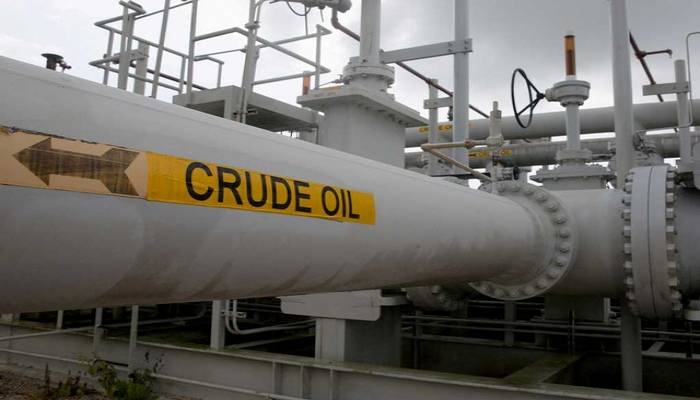
Under growing political pressure to bring down high energy prices, President Joe Biden on Thursday will announce the release up to 180 million barrels of oil from a strategic reserve to counteract the impact of Russia’s invasion of Ukraine.
Oil prices fell modestly on expectations of the announcement, which the White House confirmed Thursday morning. Biden plans to release 1 million barrels of oil a day for 180 days. That would represent roughly 5% of US demand and 1% of global demand at a time when Russian oil exports are down about 3 million barrels a day.
Reaction from the oil industry and energy experts was muted even though the move would represent the largest release from the Strategic Petroleum Reserve since it was established in the early 1970s as an emergency stockpile. The reserve has mostly been used to increase the supply of oil during wars, foreign threats to energy supplies or natural disasters. Smaller releases by the Biden administration from the reserve since late last year have had little impact on the prices drivers and businesses pay for gasoline, diesel and other fuels that are made from crude oil.
“It will lower the oil price a little and encourage more demand,” said Scott Sheffield, CEO of Pioneer Natural Resources, a major Texas oil company. “But it is still a Band-Aid on a significant shortfall of supply.”
Energy experts said the release of oil from the reserve would pack more punch if other countries, such as China, also sold oil from their strategic stockpiles.
The price of Brent crude, the international bench mark, initially dropped nearly 6% after a report by Bloomberg News that Biden was considering the move, but it recovered to a more modest drop of 5% to about $108 a barrel around 10 a.m. Thursday. West Texas Intermediate crude, the US bench mark, was down about 4% to around $104 a barrel.
Russia oil exports normally represent more than 1 of every 10 barrels the world consumes. The United States, Britain and Canada have stopped importing Russian oil, and many oil companies and shippers have voluntarily stopped buying Russia’s energy products. That has produced a deficit so far of about 3 million barrels a day for global supplies.
The average price of gasoline in the United States is $4.23 a gallon, according to AAA, the motor club. That is about the same as it was a week ago but up 62 cents a gallon in the past month.
Oil prices have also dropped this week after peace talks between Russia and Ukraine showed the first signs of meaningful progress, although Russian officials, including President Vladimir Putin, have sent mixed messages about their intentions. Energy traders are also concerned that global demand could fall as China, the world’s largest oil importer, imposes lockdowns in Shanghai and other places to deal with coronavirus outbreaks under its zero-COVID policies.
“The price effect is likely to be short-term,” David Goldwyn, who was a senior State Department official in the Obama administration, said about Biden’s announcement. “But part of the benefit of this release is that it will provide a bridge to when new physical supply comes online in the second half of this year from the US, Canada, Brazil and other countries.”
The oil market tends to go in cycles, so the release may be an opportunity for the government to sell high and, later, buy low, potentially earning billions of dollars for the Treasury. When the administration refills the reserve, however, it could drive up oil prices.
The release could partly backfire. Goldman Sachs analysts wrote in a research note that a large discharge could cause “congestion” on the Gulf Coast, keeping new oil production from fields in West Texas out of pipelines and storage tanks.
Biden’s move could also discourage Saudi Arabia and other global producers from increasing supply to reduce prices. OPEC+, a group led by Saudi Arabia that includes Russia, on Thursday decided to maintain a policy of only modestly increasing production.
Bob McNally, who was an energy adviser to President George W. Bush, said the release “is not big enough to offset the potential loss of Russian oil exports should the conflict and sanctions pressure continue to extend.”
The US reserve contains nearly 600 million barrels, approximately a month of total American consumption. The maximum amount of oil the reserve can release is 4.4 million barrels a day.
©2022 The New York Times Company

