Unesco calls for global ban on smartphones in schools
Online Desk
26 Jul 2023 13:46 PM
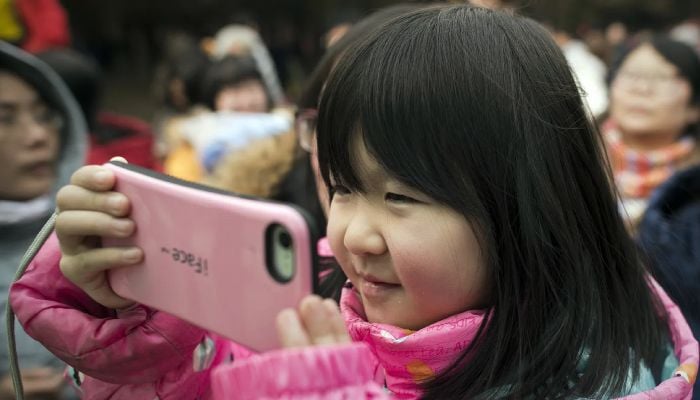
Representational Image
Smartphones should be banned from schools to tackle
classroom disruption, improve learning, and help protect children from
cyberbullying, United Nations Educational, Scientific and Cultural Organization
(Unesco) has recommended.
A Unesco report said there was evidence that excessive
mobile phone use was linked to reduced educational performance and that high
levels of screen time had a negative effect on children’s emotional stability.
According to The Guardian, the UN agency's call for a
smartphone ban sent a clear message that digital technology as a whole,
including artificial intelligence, should always be subservient to a
“human-centred vision” of education, and never supplant face-to-face
interaction with teachers.
Unesco warned policymakers against an unthinking embrace of
digital technology, arguing that its positive impact on learning outcomes and
economic efficiency could be overstated, and new was not always better.
“Not all change constitutes progress. Just because something
can be done does not mean it should be done,” it concluded.
With more learning moving online, especially in
universities, it urged policymakers not to neglect the “social dimension” of
education where students receive face-to-face teaching.
“Those urging increasing individualisation may be missing
the point of what education is about,” it said.
“The digital revolution holds immeasurable potential but,
just as warnings have been voiced for how it should be regulated in society,
similar attention must be paid to the way it is used in education,” said
Unesco’s director general, Audrey Azoulay.
She added, “Its use must be for enhanced learning
experiences and for the wellbeing of students and teachers, not to their
detriment. Keep the needs of the learner first and support teachers. Online
connections are no substitute for human interaction.”
Unesco said in the report that countries needed to ensure
they had clear objectives and principles in place to ensure digital technology
in education was beneficial and avoided harm, both to individual students’
health and more widely to democracy and human rights, for instance through
invasion of privacy and stoking of online hatred.
Excessive or inappropriate student use of technology in the
classroom and at home, whether smartphones, tablets or laptops, could be
distracting, disruptive and result in a detrimental impact on learning, it
said. It cited large-scale international assessment data that indicated a
“negative link” between the excessive use of digital technology and student
performance.
Although technology could potentially open up opportunities
for learning for millions, the benefits were unequally spread, with many poorer
people from around the world effectively excluded, it said. A digital
educational infrastructure was expensive, and its environmental costs are often
underestimated.
There was little robust research to demonstrate digital
technology inherently added value to education, Unesco said in its 2023 Global
Education Monitor report.
Much of the evidence was funded by private education
companies trying to sell digital learning products. Their growing influence on
education policy around the world was “a cause for concern”, it added.
Countries were “waking up to the importance of putting
learners first” when it came to digital technology, said Unesco. It cited
China, which it said has set boundaries for the use of digital devices as
teaching tools, limiting them to 30 per cent of all teaching time, with
students expected to take regular screen breaks.
It accepted that online learning “stopped education melting
down” when schools and universities closed during Covid-19 lockdowns. It
estimated that more than a billion students globally moved to online learning
during the pandemic – but added that millions of poorer students without
internet access were left out.
Based on its analysis of 200 education systems around the
world, Unesco estimated one in six countries had banned smartphones in school,
either through law or guidance. These included France, which introduced its
policy in 2018, and the Netherlands, which will bring in restrictions from
2024.
/KN/

