Biggest cervical cancer advance in 20 years hailed
Online Desk
23 Oct 2023 19:44 PM
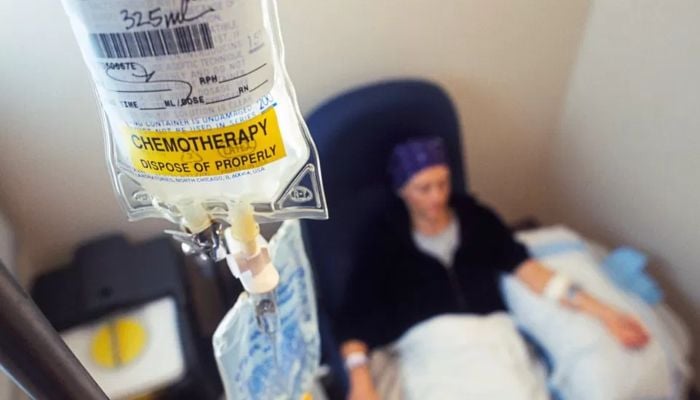
Representational Image
Scientists say they may have made the biggest breakthrough
in treating cervical cancer in 20 years, using a course of existing, cheap
drugs ahead of usual radiotherapy treatment, BBC reports.
Trial findings, revealed at the ESMO medical conference,
show the approach cut the risk of women dying from the disease or the cancer
returning by 35 per cent.
Cancer Research UK, which funded the work, called the
results "remarkable".
It hopes clinics will soon start doing the same for
patients.
Cervical cancer affects thousands of women each year in the
UK, many in their early 30s. Despite improvements in radiotherapy care, cancer
returns in up to a third of cases, meaning new approaches are very much needed.
Dr Iain Foulkes, from Cancer Research UK, said: "Timing
is everything when you're treating cancer.
"A growing body of evidence is showing the value of
additional rounds of chemotherapy before other treatments like surgery and
radiotherapy in several other cancers. Not only can it reduce the chances of
cancer coming back, it can be delivered quickly using drugs already available
worldwide.
"We're excited for the improvements this trial could
bring to cervical cancer treatment and hope short courses of induction
chemotherapy will be rapidly adopted in the clinic."
In the study, 250 women with cervical cancer received the
new treatment - an intensive six-week course of carboplatin and paclitaxel
chemotherapy, followed by the "usual" treatment of radiotherapy plus
weekly cisplatin and brachytherapy, known as chemoradiation.
Another 250 women - the control group - received only the
usual chemoradiation.
Five years later, 80 per cent of those who had received the
new treatment were alive and 73 per cent had not seen their cancer return or
spread.
In comparison in the "usual" treatment group, 72
per cent were alive and 64 per cent had not seen their cancer return or spread.
Dr Mary McCormack, lead investigator of the trial from UCL
Cancer Institute and UCLH, said: "Our trial shows that this short course
of additional chemotherapy delivered immediately before the standard CRT can
reduce the risk of the cancer returning or death by 35 per cent.
"This is the biggest improvement in outcome in this
disease in over 20 years."
She told the BBC's Today programme: "The important
thing here is that if patients are alive and well, without the cancer recurring
at five years, then they are very likely to be cured, so that's what makes this
very exciting."
Because the two chemotherapy drugs are cheap, accessible and
already approved for use in patients, experts say they could become a new
standard of care relatively quickly.
However, they caution that not every woman with cervical
cancer might get the same beneficial outcomes from the treatment. Many of the
women in the study had cancers that had not yet started to spread elsewhere in
the body. It is unclear how well the therapy would work for women with more
advanced disease.
The drugs can also cause unwelcome side effects, including
sickness or nausea, and hair loss.
/KN/

