World AIDS Day 2024: Difference between HIV and AIDS
Online Desk
01 Dec 2024 13:52 PM । Update: 01 Dec 2024 13:53 PM
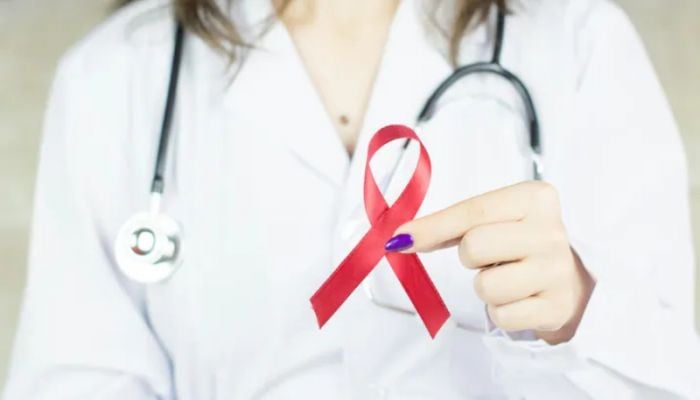
On World AIDS Day 2024 (December 1), understanding the distinction between HIV and AIDS remains critical.
HIV, or Human Immunodeficiency Virus, targets the body's infection-fighting cells, weakening the immune system and increasing vulnerability to severe complications.
After exposure, acute HIV infection typically develops within 2-4 weeks, presenting symptoms such as fever, headache, and rash. During this stage, the virus multiplies rapidly, spreading throughout the body and compromising the immune system. This is also the period when the individual is most infectious.
Without timely treatment, HIV can progress to AIDS (Acquired Immunodeficiency Syndrome). In this advanced stage, the viral load is extremely high, symptoms become severe, and survival without treatment is typically limited to a few years.
One of the most significant global public health concerns in recorded history, AIDS has killed between 27.2 million and 47.8 million people globally as of 2020, while an estimated 37.7 million people are living with HIV.
What is HIV?
Human immunodeficiency virus (HIV) is a virus that targets immune system cells, making an individual more susceptible to various illnesses and infections.
HIV spreads more easily in the first few months after a person is infected, but many are unaware of their status until the later stages. In the first few weeks after being infected, people may not experience symptoms. Others may have an influenza-like illness including fever, headache, rash and sore throat.
The infection progressively weakens the immune system. This can cause other signs and symptoms swollen lymph nodes, weight loss, fever, diarrhoea and cough.
HIV can be transmitted via the exchange of body fluids from people living with HIV, including blood, breast milk, semen, and vaginal secretions. HIV can also be transmitted to a child during pregnancy and delivery. People cannot become infected with HIV through ordinary day-to-day contact such as kissing, hugging, shaking hands, or sharing personal objects, food or water.
While it cannot be cured, it can be kept in control through medications. HIV medication is lifelong and reduces or even eliminates your ability to transmit the virus to others.
What is AIDS?
Acquired immunodeficiency syndrome (AIDS) is a term that applies to the most advanced stages of HIV infection. It is defined by the occurrence of any of the more than 20 life-threatening cancers or "opportunistic infections", so named because they take advantage of a weakened immune system.
AIDS was a defining feature of the earlier years of the HIV epidemic before antiretroviral therapy (ART) became available. Now, as more people access ART, the majority of people living with HIV will not progress to AIDS.
Advanced HIV disease (AHD), defined as having a CD4 cell count less than 200 copies, having an AIDS-defining illness, or all children less than 5 years old with confirmed HIV infection, is more likely to occur in people with HIV who have not been tested, in people who are diagnosed late, and in people who have stopped or never started taking ART, according to WHO.

