Steaming vs boiling veggies, which is healthier?
Online Desk
29 Oct 2025 17:12 PM
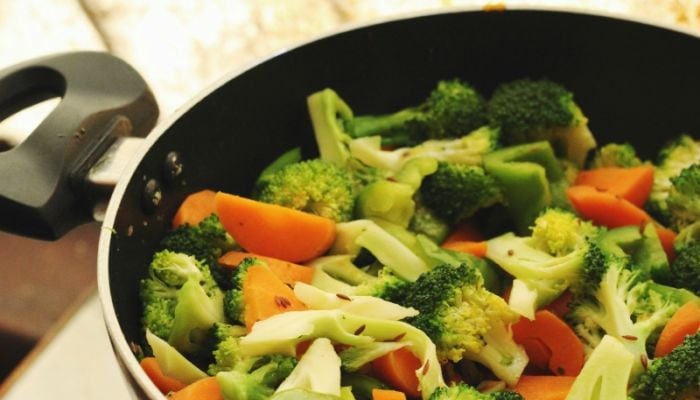
Representational image
Both steaming and boiling vegetables are classic techniques. They are easy, oil-free, and perfect for healthy everyday meals. Yet, they behave quite differently once the heat rises. So, which one helps your vegetables keep their colour, flavour, and goodness intact? Let us find out.
Steaming
When you steam vegetables, you are cooking them gently with the vapour rising from boiling water, not the water itself. The vegetables sit above the liquid in a steamer basket or colander, and the steam softens them evenly without washing away their natural flavour. Because they do not come in direct contact with water, most nutrients, especially water-soluble vitamins such as Vitamin C and the B-complex group, stay locked in. That is why steamed vegetables often look brighter and taste fresher.
You will notice that greens remain vivid, carrots turn deeper in colour, and broccoli keeps its satisfying crunch. Steaming also allows the natural sweetness of vegetables to shine through, giving them a clean, balanced flavour.
Pro tip: Add a few drops of lemon juice or a pinch of herbs to the steaming water. It subtly enhances both flavour and aroma without adding calories.
Boiling
Boiling is simple and familiar. You drop your vegetables into a pot of hot water and let them cook at 100 degree Celsius until tender. It is fast, fuss-free, and ideal for days when you are multitasking or cooking in bulk. However, there is a catch. Many nutrients escape into the water during boiling. Unless you use that water in a soup, dal, or curry, those nutrients are lost.
Boiled vegetables also tend to become softer and, if left too long, slightly mushy or bland. This happens because boiling breaks down the cell walls and draws out some of the vegetable's natural flavour. That said, boiling still has its advantages. It is perfect for starchy vegetables such as potatoes, sweet potatoes, and beetroot, which become creamier and easier to digest when boiled.
Pro tip: Do not throw away the leftover water. It is full of nutrients. Use it in soups, curries, or even to knead roti dough for an extra boost.
If we are talking about overall nutrition and taste, steaming takes the crown. A study published in the Journal of Agricultural and Food Chemistry has shown that steaming preserves antioxidants and vitamins far better than boiling. Steamed vegetables also hold on to their natural colour and crunch, which means they not only taste better but look more appealing too.
However, boiling still wins when you need a soft texture, such as for mashed potatoes, soups, or baby food. So, it is not about never boiling again; it is about knowing when each method works best.
Both methods make vegetables easier to digest by breaking down tough fibres, but steaming has a slight advantage. It keeps digestion-friendly compounds intact, especially in cruciferous vegetables such as cabbage, cauliflower, and broccoli. Boiling, on the other hand, can wash away some of these compounds.
If you cannot decide between the two, combine them. For example, parboil dense vegetables such as carrots or beans for a few minutes, then finish them with a quick steam. This method keeps them crisp yet tender and saves time too.
You can also try a boil-and-steam combo. Boil starchy vegetables like potatoes while steaming greens on a rack above them. It is energy-efficient and helps you balance flavour and nutrition in one go.
Always remember, smart cooking is not about strict rules. It is about balance. Knowing how to pair techniques makes your everyday meals healthier and tastier.

