How to encourage kids to eat healthy food
Online Desk
23 Feb 2020 10:32 AM । Update: 24 Feb 2020 03:40 AM
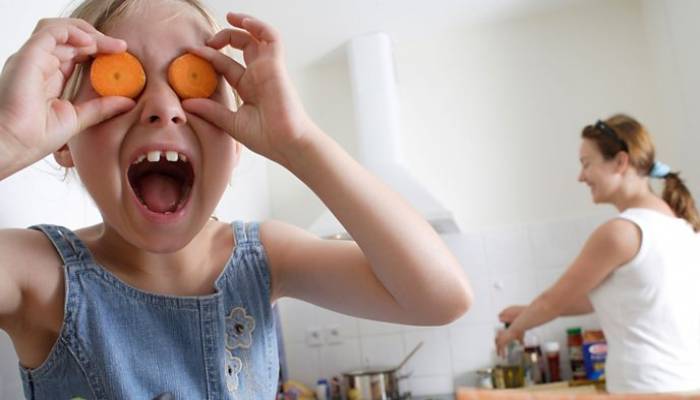
1. Get them to play with food when young
The Flavour School encourages primary school children to try fruit and veg by shifting the focus from trying something new, which they’re suspicious of, to it being part of a wider experience. Dr Wilkinson explains, “A lot of the time the activities are not explicitly about tasting things. You might be saying to the children: ‘hey, what sound does this make when you chew it?’. This will help children who are stubborn in their views on food and are likely to respond with ‘I won’t try this’.”
2. Introduce new foods away from the dinner table
Rather than always spending ages in the kitchen on a new recipe, only for your child to turn his or her nose up at it, try to give a little taste of something every now and then – a new veg, or perhaps a segment of a fruit they haven’t tasted before. “The only upshot of the child not liking something is them going ‘urgh’ and spitting it out. It becomes less emotional and it’s less painful for parents as well”, says Dr Wilkinson.
3. Check portion sizes
Food labelling gives information about the nutritional quality of your food, but it’s not always available in those fast-food outlets near schools. “Smaller businesses might not do it (display nutritional information). So when you go to the chip shop on the corner of the road, are you able to make the same informed choice?”, says Whittaker.
She suggests parents and children learn to be mindful of what a portion size looks like. “Something like a large bag of crisps could involve you separating out a portion size for the correct age. Otherwise it’s easy to sit in front of the TV and, without realising it, eat two or three portions. We need to have more mindful eating patterns. So even though that temptation still might be there, when you are eating the food you’re conscious of what and how much you’re eating”, she says.
4. Make homemade versions of takeaways
If you or your child has a taste for takeaways, look for recipe swaps. “Whether it’s curries or fried Chinese-style dishes with noodles, think ‘how can we change them? What can we do to make them different, to reduce the fat, saturated fat, salt and sugar?’, says Whittaker. So instead of getting that takeaway on a Friday night, have the same food but homemade with adapted ingredients. By doing this you will re-programme what ‘comfort food’ means to your child.
Lots of us associate junk food brands with comforting childhood memories, but we need to try and break that association for the next generation, according to Dr Wilkinson. “You need to be willing to work at it and explore food yourselves, because it’s not going to be easy. You’re really swimming against the tide with this”, he says.
A low-fat fish and chips
Recipes for your takeaway favourites made healthier
5. Get children involved in cooking
Encourage children to cook with you. “If they see what goes in there, they trust it more. If they’ve made it with their own hands, they’re more invested and they want to go further with it and try it”, says Dr Wilkinson.
6. Speak to the school
If you open your child’s bag at the end of the school day and see the healthy lunch you made still in pristine condition, alongside empty crisp packets, chocolate bar and sweet wrappers, you might ask where your child is getting the junk from. If you don’t believe it’s being bought outside of school, Whittaker suggests you consider contacting the school. “Go and see a teacher. We have healthy school initiatives, and part of these is concerned with packed lunch boxes and school meals. So you need to ask where are these foods coming from? Is it another child in the class?”.
A child holding a healthy packed lunch
7. Leave home with a full stomach
Make sure your teenager has something to eat before he or she goes out. Whether that’s toast or a low-sugar cereal in the morning or fruit before walking home from school, this simple step could help stop them giving in to temptation.
8. Get everyone on board
It’s important that parents act as role models when it comes to diet and cooking. “In clinic we talk about what a balanced diet looks like and the Eatwell Guide” (the NHS’ advice for creating and following a healthy diet), says Dr Whittaker. Other family members who interact with the children can help with this too. “We need everybody to be on board – including nanas and grandads who might be giving junk food as ‘treats’”.
And finally... give yourself a break
Even when you’re doing everything you can do to help, it can be difficult. The key is to take a deep breath, don’t give up, and accept there are lots of people in the same position. Dr Wilkinson says: “Don’t beat yourself up, because it’s incredibly difficult… and if you’re having trouble dealing with it, so is everyone else, and so is society as a whole.”
Source: BBC

