Consequences of agricultural scientists leaving their profession or country
Dr Md Shariful Islam
16 May 2026 21:53 PM
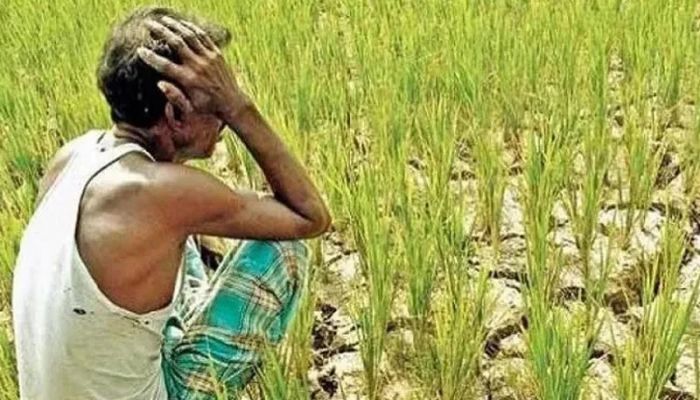
Bangladesh's agriculture is facing a deep crisis today. The role of agricultural scientists has become more important than ever in tackling challenges such as climate change, shrinking arable land, food security pressures, and uncertainty over farmers' incomes.
However, many talented agricultural scientists in the country are gradually leaving their profession or the country itself. Some are moving to administrative or corporate jobs, while others are becoming frustrated by the lack of a proper research environment.
Agricultural research has played a key role in diversifying crops and increasing production many times over in Bangladesh. Yet according to the Bangladesh Bureau of Statistics, the country's overall government spending on research and development is only 0.30 percent of GDP. This is very low even by South Asian standards, whereas developed countries invest between two and four percent of GDP in research.
Job insecurity has also become a serious problem for agricultural scientists. Most agricultural research institutions still lack a complete and sustainable pension system. While some autonomous bodies offer limited benefits, scientists in most institutions do not enjoy the post-retirement security provided to government officials.
This situation is discouraging bright young people from entering agricultural research. Many prefer more secure and prestigious careers in the BCS administration, banking, international development organisations, or foreign universities.
Studies by the International Food Policy Research Institute have shown that highly educated researchers are moving abroad because of limited research facilities, professional opportunities, and financial security. A similar study on agricultural and veterinary graduates in Nepal found that many talented young people want to go abroad for better research opportunities and quality of life. The situation in Bangladesh is much the same.
Many agricultural scientists work for years at the field level but receive little recognition. Even when they publish research, develop new technologies, or make real contributions to farmers, their achievements often go unnoticed at the national level. Administrative power and positions are valued more than research work.
Many research institutions also suffer from a lack of modern laboratories, international-standard equipment, and quick administrative support. It takes a long time to get approval for research projects, buy equipment, or start international collaborations. As a result, scientists fall behind in global competition.
In contrast, agricultural scientists in countries such as Australia, Canada, Europe, and the United States enjoy advanced laboratories, high salaries, international collaboration, and strong retirement benefits. This makes building a career abroad very attractive for Bangladeshi researchers. Global demand is also rising for South Asian experts in areas such as climate change, the blue economy, fisheries, and food security.
The long-term effects of this brain drain are deeply worrying. Skilled agricultural scientists are essential for developing climate-tolerant rice varieties, drought-resistant crops, disease-resistant fish, sustainable aquaculture, and smart farming technologies. If the shortage of researchers grows worse, both innovation and the spread of new technologies in the field will suffer. This will directly threaten food security and the national economy.
It is now time for realistic and bold action. The government must increase investment in agricultural research and aim to allocate at least one percent of GDP to the sector within the next five years. Laboratory facilities should be modernised and research grants expanded. All agricultural research institutions need a unified and sustainable pension system. Merit-based promotions, international training opportunities, research allowances, and innovation awards should be introduced for researchers. A special Young Agricultural Scientist Fellowship could also be created to support young talent.
A reverse brain drain programme should be launched to attract PhD holders back from abroad. Lessons can be learned from countries such as India, China, and South Korea. Such a programme could offer tax incentives, research grants, and special employment opportunities.
Finally, the social status of agricultural scientists must be raised.
Writer: Dr Md Shariful Islam: Senior Programme Specialist (Fisheries), SAARC Agricultural Centre, Dhaka.
The article was originally published in the print and online editions of The Daily Samakal and has been rewritten for the English version by Mohammed Humayun Kabir, Assistant News Editor.

