Climate Vulnerability
Sustainable Development Goal-1 to end poverty
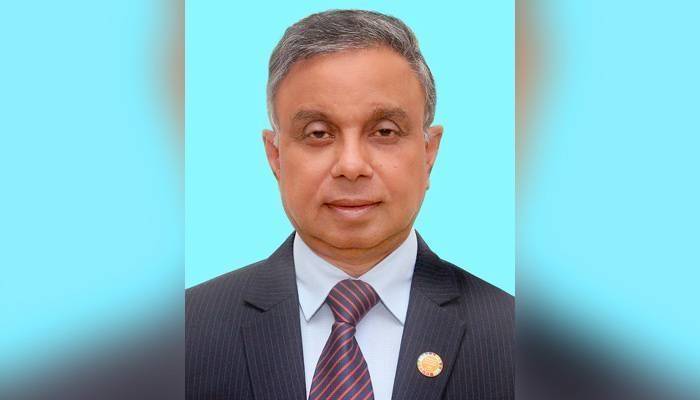
Md Abul Kalam Azad
13 Dec 2020 07:27 AM । Update: 13 Dec 2020 07:28 AM
According to UNESCO Statistical Institute (USI) in the whole world 263 million people of 6-17 years age group are out of school. If this trend continues universal primary education will be achieved in 2042, junior secondary school will be achieved in 2059 and Secondary schooling will be achieved in 2084; about 54 years more than the SDG target. World Bank identified that half of the world’s population lack access to health services and health expenses pushed extra 100 million people to extreme poverty. 940 million people (13% of the world population) don’t have access to electricity and 3 billion people (40% of the world population) are lack of clean cooking fuel and brought high cost for women health through indoor pollution. Right to water is life and sanitation is dignity but in 2016, some 10.8% people (780 million) were striving for improved water, 2.2 billion people were deprived of pure drinking water and 2.5 billion people (35% of global population) are deprived of improved sanitation. At the end of 2019 global 4G population coverage was 80% and projected to 90% in 2025 and having 5G at the end of 2019 was 5%. In 2020 4.57 billion people of the world (59%) has internet connection. Globally 31% adult are unbanked, not in financial inclusion.
In all the above area Bangladesh has a very remarkable performance which introduced us as development miracle and landmark achievements in all social index. Net enrolment in primary school is about 98% in 2018 while retention is still a problem. At the same time net enrolment in secondary school is about 67% with girls in higher (72%) number. Electricity coverage was 47% in 2009, 61% in 2016 and now it is 98%; in a few months 100% people will be covered. In 2009 and 2016 per capita consumption of electricity was 226 and 329kwh and in 2020 it is 510kwh. To ensure electricity to the poor and vulnerable people price of electricity were fixed at a lower rate for life line consumption and irrigation. In last 10 years price of electricity were increased due to use of expensive fuel for electricity generation for all consumers except these two categories for ensuring access to electricity for the poor and ensuring agriculture development. We have 100% coverage of drinking water and in 2019 47.9% people get safe drinking water. Though 100% households have latrine with no open defecation, coverage of improved sanitation was 60% in 2015 and now in 2020 about 66% people has improved sanitation. Only 18% people had access to clean fuel for cooking in 2015 and now 50% households have less hazardous cooking facilities. Bangladesh has 99% mobile phone and 60.7% internet connection coverage; 50% people have access to finance with formal bank account.
Education infrastructure, teachers training, scholarship at all tire, free book distribution for all the primary and secondary school students for last 10 years, digital lab in schools gave a huge dividend to the country. During corona schools are closed for last nine months and this may increase the number of drop out. On the other hand, Covid -19 gave an opportunity to use more television network and digital platform in education along with others. It is a blessing in disguise but it created a digital divide also; having no television, no smart phone and weak network deprived some rural poor boys and girls to participate in the classes. Tab for all the students and 4G connectivity may solve the problem; this is very challenging in terms of cost and time. But ‘Digital Bangladesh’ program paves way to better education along with other reforms of governance.
Health infrastructure and manpower got an opportunity to look back the whole health system; in last few months 5,000 doctors, 3,000 nurses and technicians are appointed, manpower of both health sector and volunteers got training on Covid and handling of Covid patients very quickly by using digital platform. Coverage of handwash is exemplary; so many volunteer and Non-government Organization worked for handwash and disseminated the message all over the country by using media and digital platform. Prime Minister Sheikh Hasina passed 31 instructions and she uses every opportunity during her meeting and events in virtual platform to motivate people of all walks of life to wash hands, use mask and maintain distance to avoid the corona. She declared an incentive of more than 12 billion US$ for socio-economic development and combat corona. After declaration of payment of RMG workers salary with government support, within a very short time all 4.5 million RMG workers had their mobile banking account. Likewise, in May this year government declared to support to additional 5 million family with cash incentive through digital money transfer, it could be done in a week using MFS. Ministry of Health prepared an action plan to combat coronas and aftermath. Government of Bangladesh allocated sufficient emergency support to combat four major flood and disaster management this year and for rehabilitation of Amphan victims last May. A small economy having corona and repeated major climate disaster felt the vulnerable into more challenging situation.
Ten special initiative of Sheikh Hasina: Women empowerment, Asrayan project, Amar Bari Amar Khamar, Digital Bangladesh, Education Assistance, Community clinic, Investment opportunity, Social safety net, Environment protection, Electricity for all play a vital role to reduce poverty and inclusive growth. At the same time special initiative are being taken for graduation from LDC, that helps poverty reduction too.
United Nations Country office Bangladesh, following the guidance of global call of SG Guterres prepared a plan of action ‘Immediate Socio-Economic Response Plan’ for 18 months with five pillars for Health, Social Protection, Economic Recovery, Macroeconomic Response and Social Cohesion to work with government and ultimately helps in reducing poverty and achieving SDG.
Globally challenges in implementing SDG 1 are identified as absolute number of poor people, not the percentage. Reducing multidimensional poverty incorporating gender, water and sanitation, housing, education, health are more challenging. Along with these, regional variety of head count poverty, reducing inclusion and exclusion of errors in the social protection program, equal rights to economic resources, climate related vulnerabilities are challenging issues. Covid-19 added new challenges and in some cases multiplied the existing challenges.
SDG 1, ‘End Poverty’ has close relationship with all other SDG targets and achieving this SDG helps other goals to fulfill the targets to create a better world to live for our future generation. Pro-poor development strategy, investment in health, education and social safety, gender, innovation and investment, climate, governance and partnership will ease achieving ‘Sonar Bangla’ dreamt by Bangabandhu.
Writer: Former Principal Secretary and SDG Coordinator

