Trump indicted in Georgia over 2020 presidential election interference
AFP
15 Aug 2023 09:38 AM
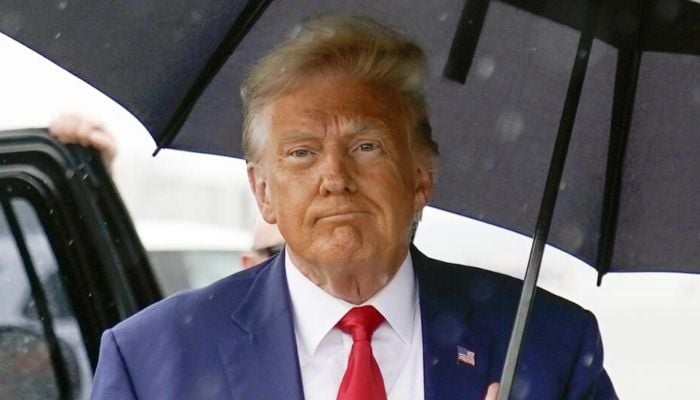
Former US President Donald Trump. AP Photo
Donald Trump was indicted Tuesday on charges of racketeering
and a string of election crimes after a sprawling, two-year probe into his
efforts to overturn his 2020 defeat to Joe Biden in the US state of Georgia.
The case – relying on laws typically used to bring down
mobsters – is the fourth targeting the 77-year-old Republican this year and
could lead to a watershed moment, the first televised trial of a former
president in US history.
Prosecutors in Atlanta charged the Republican leader with 13
felony counts – compounding the legal threats he is facing in multiple
jurisdictions as a firestorm of investigations imperils his bid for a second
White House term.
With the tycoon already due to go on trial in New York,
south Florida and Washington, the latest charges herald the unprecedented
scenario of the 2024 presidential election being litigated as much from the
courtroom as the ballot box.
The twice-impeached Trump was charged with violating
Georgia's Racketeer Influenced And Corrupt Organizations (RICO) Act, as well as
six conspiracy counts over alleged efforts to commit forgery, impersonate a
public official and submit false statements and documents.
The indictment named a number of co-defendants including
Trump's former personal lawyer Rudy Giuliani, who pressured local legislators
over the result after the election, and Trump's White House chief of staff,
Mark Meadows.
Georgia, which Biden won by fewer than 12,000 votes,
presents perhaps the most serious threat to Trump's liberty as he leads the field
comfortably for his party's nomination to bid for reelection.
Even if he is returned to the Oval Office, he would have
none of the powers that presidents arguably enjoy in the federal system to
pardon themselves or have prosecutors drop cases.
Most serious threat
RICO statutes are usually used to target organized crime.
Under federal law, anyone who can be connected to a criminal
"enterprise" through which offenses were committed can be convicted
under RICO. The broader Georgia law doesn't even require the existence of the
enterprise.
Atlanta-area authorities launched the probe after Trump
called Georgia officials weeks before he was due to leave the White House,
pressuring them to "find" the 11,780 votes that would reverse Biden's
victory in the Peach State.
District Attorney Fani Willis, Fulton County's chief
prosecutor, empaneled a special grand jury that heard from around 75 witnesses
before recommending a raft of felony counts in a secret report in February.
She alleges that Trump's team worked with local Republicans
on a scheme to replace legitimate slates of "electors" – the
officials who certify a state's results and send them to the US Congress – with
fake pro-Trump stand-ins.
Criminal intent?
Trump is already facing dozens of felony charges after being
federally indicted over the alleged plot to subvert the election, and further
prosecutions over his alleged mishandling of classified documents and keeping
allegedly fraudulent business records.
Authorities in Atlanta have installed security barricades
outside the downtown courthouse in anticipation of a potential influx of Trump
supporters and counter-protesters in the latest case.
Republicans in Congress have largely united behind defending
Trump from what they call a politically-motivated "witch hunt" by
Democrats pulling the strings at the Justice Department.
It will be up to a jury, however, to decide if the
prosecution has shown criminal intent by the billionaire property mogul, who
denies all wrongdoing.
Lawmakers investigating Trump's efforts to cling to power
heard evidence in a series of congressional hearings last summer that would
challenge his potential defense that he genuinely believed he had been cheated
of the election.
Several former administration officials – including Chairman
of the Joint Chiefs Mark Milley and Cassidy Hutchinson, a former White House
aide – described how Trump privately acknowledged he had lost.
And a California-based federal judge presiding last year over
a dispute about evidence demanded by Congress ruled that Trump had signed legal
documents describing evidence of election fraud that he knew were false.
While federal courthouses generally ban electronic
recording, Georgia's courts are more transparent, meaning there is no bar to
the proceedings being watched on televisions across the country, from the first
preliminary hearing onwards.
/KN/

