UN hopes to end AIDS by 2030
AFP
29 Nov 2023 10:44 AM
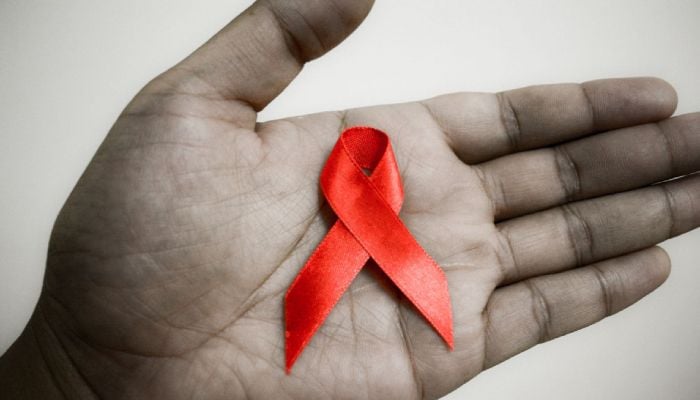
Representational Image
The United Nations said Tuesday it is still possible to
reach the "end of AIDS" by 2030 – but only if communities and
services on the ground are given the means.
The UNAIDS agency said in its annual World AIDS Day Report
that community-led responses are unrecognised, under-resourced and in some
places under attack.
"The message of this report is one of active hope.
Although the world is not currently on track to end AIDS as a public health
threat, it can get on track," the report said.
The UN first set out in 2015 the target of ending AIDS as a
public health threat by 2030.
There are 39 million people around the world living with HIV
-- the virus that causes AIDS. Of them, 20.8 million are in eastern and
southern Africa and 6.5 million are in Asia and the Pacific.
But out of the 39 million, 9.2 million do not have access to
life-saving treatment.
Support gap
"Harmful laws and policies towards people at risk of
HIV – including sex workers, men who have sex with men, transgender people and
people who use drugs – puts the communities trying to reach them with HIV
services under threat," UNAIDS said.
The agency said programmes delivered by frontline
community-based organisations need full support from governments and donors to
end the AIDS pandemic.
Some $20.8 billion was available for HIV programmes in low-
and middle-income countries in 2022 – well short of the $29.3 billion needed by
2025.
The annual cost of treatment has come down from $25,000 per
person in 1995 to less than $70 in many countries most affected by HIV
nowadays.
The report said funding channelled through communities had
fallen from 31 percent in 2012 to 20 percent in 2021.
"Communities are not in the way: they light the way to
the end of AIDS," said UNAIDS executive director Winnie Byanyima.
The agency said crackdowns on marginalised groups were
obstructing frontline communities from providing HIV prevention and treatment
services, while underfunding was leaving them struggling to operate holding
them back from expansion.
1.3 million new infections
There were 1.3 million new HIV infections worldwide last
year – down from the peak of 3.2 million in 1995.
In 2022, 86 per cent of all people living with HIV knew
their HIV status. Among them, 89 percent were accessing treatment. And among
them, 93 percent were virally suppressed.
UNAIDS said that 53 percent of all people living with HIV
were women and girls.
Botswana, Eswatini, Rwanda, Tanzania and Zimbabwe have
already achieved what are called the 95-95-95 targets in combating the
pandemic.
This means that 95 per cent of those living with HIV know
their status; 95 per cent of those who know they have HIV are on life-saving
anti-retroviral treatment; and 95 per cent of people on treatment to achieve
viral suppression – and therefore highly unlikely to infect others.
The report said 630,000 people died from AIDS-related
illnesses last year.
Since the start of the pandemic, 85.6 million people have
become infected with HIV and 40.4 million have died from AIDS-related
illnesses.
Established in 1988, World AIDS Day is held on December 1.

