Pakistan's retaliatory strike kills 7 in Iran
Online Desk
18 Jan 2024 14:29 PM
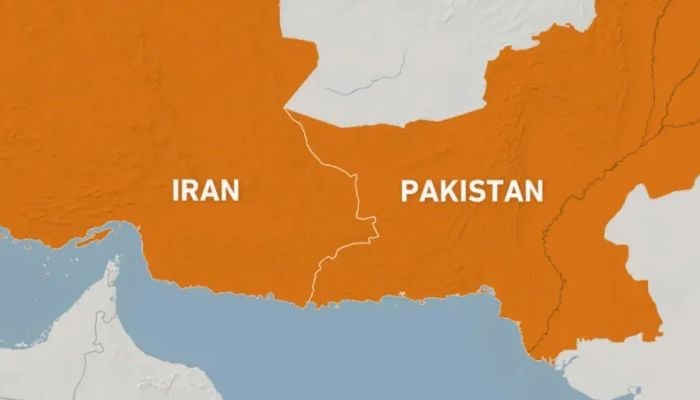
Pakistan has launched retaliatory missile strikes into Iran,
reportedly killing seven people, after Iran carried out strikes in Pakistan
late on Tuesday, BBC reports.
Pakistan said its strikes had hit "terrorist
hideouts" in Iran's Sistan-Baluchestan province.
Three women and four children were killed, Iran state TV
said.
The reciprocal air strikes come as tensions in the Middle
East are high with several overlapping crises.
Israel is fighting the Palestinian group Hamas in Gaza and
exchanging fire with Iran-backed Hezbollah in Lebanon, Iran-backed groups in
Iraq and Syria are targeting US forces, and the US and UK have struck the
Iran-backed Houthis in Yemen, who have been attacking shipping.
Pakistan and Iran have long accused each other of harbouring
militant groups that carry out attacks from regions along their shared border.
On Thursday, Pakistan's foreign ministry confirmed its
strikes, which Iranian media said took place around the city of Saravan.
Pakistan said it had acted in light of "credible
intelligence of impending large-scale terrorist activities" and said a
number of "terrorists" were killed.
It added that it "fully respects" Iran's
"sovereignty and territorial integrity" but its action on Thursday
was "a manifestation of Pakistan's unflinching resolve to protect and
defend its national security against all threats".
Pakistan had fiercely condemned Iran's strike on Tuesday,
which struck an area of Pakistan's Balochistan province near the Iranian border
and which Islamabad said killed two children.
Iran insisted its strikes were aimed only at Jaish al-Adl,
an ethnic Baloch Sunni Muslim group that has carried out attacks inside Iran,
and not Pakistan's citizens.
Earlier in the week Iran also attacked targets in Iraq and
Syria - it said it had hit Islamic State and Israel's Mossad spy agency, both
of whom it said had been involved in a bomb attack in the Iranian city of
Kerman earlier this month which killed 84 people.
Analysts said Pakistan's response was not surprising and
matched Iran's in being presented as a specific attack on insurgents,
"Pakistan's retaliation does raise the risk of
escalation but it also provides an opportunity to step back from the brink. In
effect, the two sides are even now," said Michael Kugelman, the South Asia
director at the Wilson Centre.
"Islamabad had a strong incentive to try to restore
deterrence, especially with Iran on the offensive around the wider region
deploying direct strikes and proxies to hit out at threats and rivals. In
effect, if Pakistan had held back, it would have faced the risk of additional
strikes.
China, a strong ally of both nations, has called for both
sides to show restraint and avoid an escalation.
Analysts say Iran's strikes this week were also driven by
the current turbulent dynamics in the Middle East.
Tehran has said it does not want to get involved in a wider
conflict but groups that it backs have been ramping up efforts to target Israel
and its allies to show solidarity with the Palestinians.
/KN/

