10% premature births linked to plastic chemicals: Study
AFP
07 Feb 2024 12:30 PM
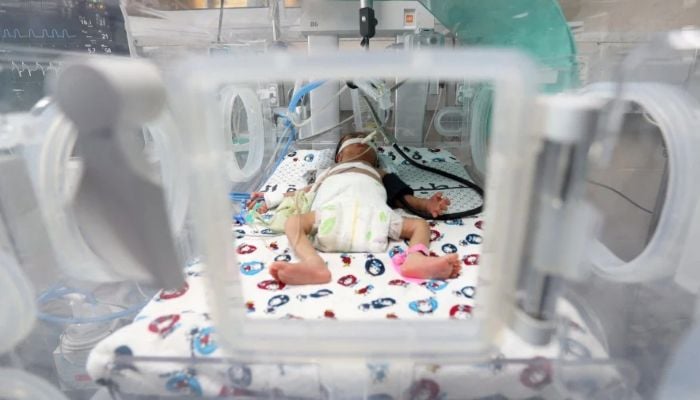
Representational Image
One in 10 premature births in the United States have been
linked to pregnant women being exposed to chemicals in extremely common plastic
products, a large study said on Wednesday.
The chemicals, called phthalates, are used to soften plastic
and can be found in thousands of consumer items including plastic containers
and wrapping, beauty care products and toys.
Phthalates have been known for decades to be "hormone
disruptors" which affect a person's endocrine system and have been
previously linked to obesity, heart disease, some cancers and fertility
problems.
Because they affect hormones, these chemicals "can
precipitate early labour and early birth", lead study author Leonardo
Trasande of New York University's Langone Health centre told AFP.
By analysing the level of phthalates in the urine of more
than 5,000 pregnant women in the United States, the researchers were able to
examine how exposure to the chemicals could have affected how early the babies
were born.
The 10 per cent of mothers with the highest levels of
phthalates had a 50-per cent increased risk of giving birth before week 37
compared to the lowest 10 per cent, according to the study in The Lancet
Planetary Health.
Extrapolating their findings across the US, the researchers
said that nearly 56,600 preterm births could have linked to phthalate exposure
in 2018 alone, roughly 10 per cent of the country's premature births that year.
Babies born prematurely or at a lower weight tend to have
more health problems later in life.
The researchers estimated the resulting medical and social
costs of phthalate exposure for preterm births in the United States was between
$1.6 and $8.1 billion.
While the study was carried out in the US, Trasande said
that phthalates are so ubiquitous that five to 10 per cent of premature births
in most other countries could probably be linked to the chemicals.
How to avoid phthalates
He estimated that more than three quarters of exposure to
phthalates was due to plastic.
Trasande said the benefits of plastic to society need to be
weighed against its harms, calling for a global treaty to dramatically reduce
plastic production.
"The people who are producing plastic are not paying
for the health effects. They're not caring for these preterm babies," he
said.
As awareness has grown about the potential threat posed by
the common phthalate DEHP, some plastic companies have tried replacing it with
other compounds from the chemical group.
"What was even more frightening" about the new
study was that these "replacement phthalates were associated with even
stronger effects than DEHP", Trasande said.
He called for phthalates to be regulated as a group, rather
than focusing on specific compounds.
Stephanie Eick, a reproductive health researcher at the
University of California, San Francisco, who was not involved in the study,
said the research could not prove definitively that the premature births were
directly caused by phthalates.
But there are now an "overwhelming number of
observational studies that support this hypothesis", she told AFP.
To avoid exposure, Eick advised people to eat less food
wrapped in plastic and avoid personal care products that contain phthalates. Trasande
warned that putting plastic containers in microwaves or dishwashers can bring
out phthalates, allowing them to later absorb into food.
/KN/

