Top Kremlin critic Navalny dies in prison
AFP
17 Feb 2024 09:13 AM
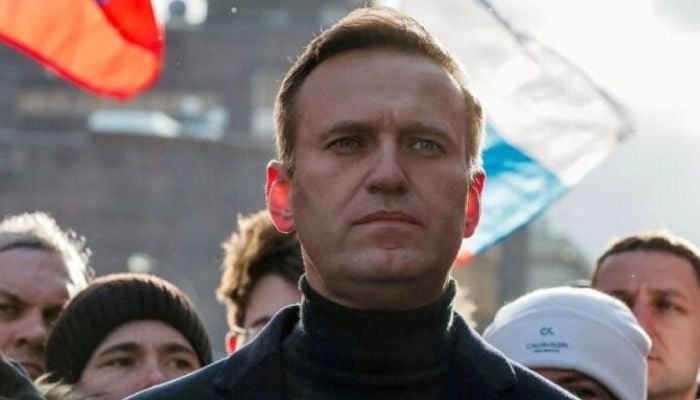
The Kremlin's most prominent critic Alexei Navalny died on Friday in an Arctic prison, Russian officials said, a month before an election poised to extend Vladimir Putin's hold on power.
Navalny's death after three years in detention and a poisoning that he blamed on the Kremlin deprives Russia's opposition of its figurehead at a time of intense repression and Moscow's campaign in Ukraine.
Dissidents and Western officials blamed Putin and his government for the 47-year-old's death, which followed months of deteriorating health in harsh detention conditions.
"Alexei Navalny was tortured and tormented for three years... Murder was added to Alexei Navalny's sentence," Russian Nobel Peace Prize winner Dmitry Muratov was quoted as saying by the Novaya Gazeta newspaper.
The death was announced by Russia's federal penitentiary service which said Navalny "felt bad after a walk, almost immediately losing conciousness".
Russian news agencies reported that medics from a local hospital arrived within minutes and spent more than "half an hour" trying to resuscitate him.
Navalny's wife, Yulia, said she held Putin personally responsible for her husband's death and called on the international community to "unite and defeat this evil, terrifying regime".
Navalny was Russia's most prominent opposition leader and won a huge following with his campaigning against corruption under Putin.
The Russian leader -- who famously never referred to Navalny by name -- was on a visit to the Urals on Friday and made no mention of the death in his public appearance.
Kremlin spokesman Dmitry Peskov accused Western leaders of "absolutely unacceptable" and "hysterical" reactions to Navalny's death.
Moscow authorities also warned the public against taking part in any protests as videos shared online showed dozens of Russians laying flowers at monuments to victims of political repressions in different Russian cities.
At least one person was detained for holding up a placard that appeared to say "murderers" on it, according to a video posted by the independent Sota Telegram channel.
"They won't let anyone go out in the streets. The government is terribly afraid" of a "wave" of protests, Tatiana Stanovaya, founder of the R. Politik consultancy, told AFP.
/KN/

