The child rape that exposed South Korea's lax laws
Online Desk
04 Jan 2021 21:30 PM । Update: 05 Jan 2021 09:37 AM
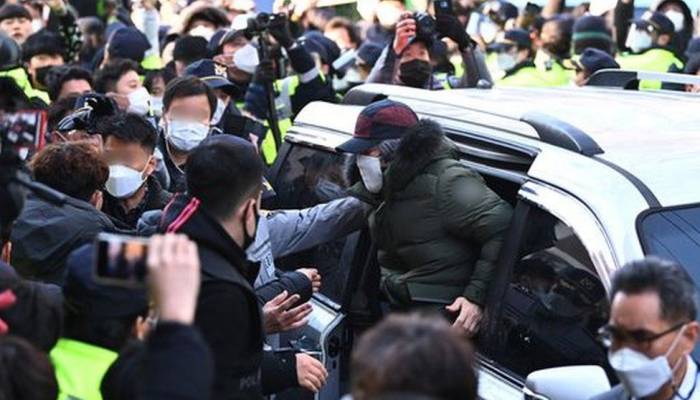
The reduced sentence and subsequent release of a man convicted of brutally raping a child has raised fresh debate around South Korea's legal system, reports BBC Korean's David Oh.
Twelve years ago, on the morning of 11 December, an eight-year-old girl was walking to school in Ansan, south-west Seoul, when she was kidnapped by Cho Doo-soon, a 56-year-old ex-convict, reports BBC.
He took her to a toilet in a nearby church, where he brutally beat and raped her.
Na-young - not her real name - survived. But she still suffers physical injuries and mental trauma from the attack.
And now, she has had to move: her rapist has been allowed to return to Ansan, where he committed the crime. Cho's new residence is less than 1km (0.6 miles) from Na-young's house.
"We didn't want to run away but had no choice. I also wanted to deliver a message that the government did nothing but forced the victim to go into hiding," her father told me just days after Cho was freed, having served a reduced sentence of 12 years.
He added that Na-young was reluctant to move because she did not want to leave her close friends. The family were also afraid of exposing their identities by moving. But they felt that it was still their only option.
"Many years have passed but still nothing has changed. The burden still falls entirely on the victim," he said.
Drunkenness as an excuse
Cho's case sparked massive criticism of the country's judicial system for being lenient on sex offenders.
He was initially sentenced to 15 years' imprisonment. But an appeal court later reduced the term to 12 years, as he claimed he was drunk when he raped the girl. That's because in South Korea, penalties for crimes committed under the severe influence of alcohol carry far more lenient punishments.
The country's criminal code, Article 10 (2), also known as "Sim Sin Mi Yak", says a court can reduce sentences when mentally impaired men committed crimes. Meanwhile, the law "Joo Chi Gam Hyung" states that "substance abuse" impairs a person's mental state.
However, the public cried foul when his sentence was reduced. Yoon Jung-Sook, from the Korean Institute of Criminology, said that Cho's case prompted nationwide debate.
"His case changed Korean law and the way we view drunkenness in crime," Mr Yoon said.
Since Cho's case, the national legislature has amended the law to make it more difficult for defendants to use alcohol intoxication as a defence.
However, the provision remains despite growing calls for abolition, and the judgment of "drunkenness" has continued at the discretion of the court.
Notably, in October 2019, a 26-year-old male had his sentence reduced from three years in prison to four years of probation for sexually assaulting a college student. His defence argued he was drunk at the time of the incident.

